

Wet Belts & Cam Belts
Wet belt and cam belt replacement is an essential aspect of vehicle maintenance that is often overlooked by customers. Both the wet belt (also known as a timing belt that runs in engine oil) and the cam belt play a crucial role in synchronising the rotation of the engine’s camshaft and crankshaft, ensuring precise valve timing and optimal engine performance. Over time, these critical components can wear, stretch, or deteriorate, placing the engine at serious risk of catastrophic failure if not replaced at the recommended intervals.
Wet belts are particularly vulnerable because they operate within the engine’s oil system. As the belt ages, oil contamination, heat, and debris can cause the belt material to degrade, crack, or shed fibres. This degradation can lead to belt failure without warning, potentially blocking oil passages, reducing oil pressure, and causing severe internal engine damage. Wet belts are prone to breaking if oil quality is poor or service intervals are missed, making regular maintenance and timely replacement vital.
Our wet belt and cam belt replacement process identifies early warning signs of wear and outlines the steps involved in safe and professional replacement. Replacing these belts at the correct intervals is essential to protecting the longevity, reliability, and performance of your vehicle’s engine, helping to prevent costly repairs and unexpected breakdowns.
Striving for excellence in everything we do.
Frequently asked questions.
A few questions we get asked regarding Wet Belts & Cam Belts.
Regular servicing is crucial. For wet belts especially, using the correct engine oil, changing it on time or before, and following manufacturer service intervals can significantly reduce the risk of premature wear or failure.
Yes. Wet belts are generally more expensive and labour-intensive to replace because they are located inside the engine and require more disassembly compared to conventional cam belts.
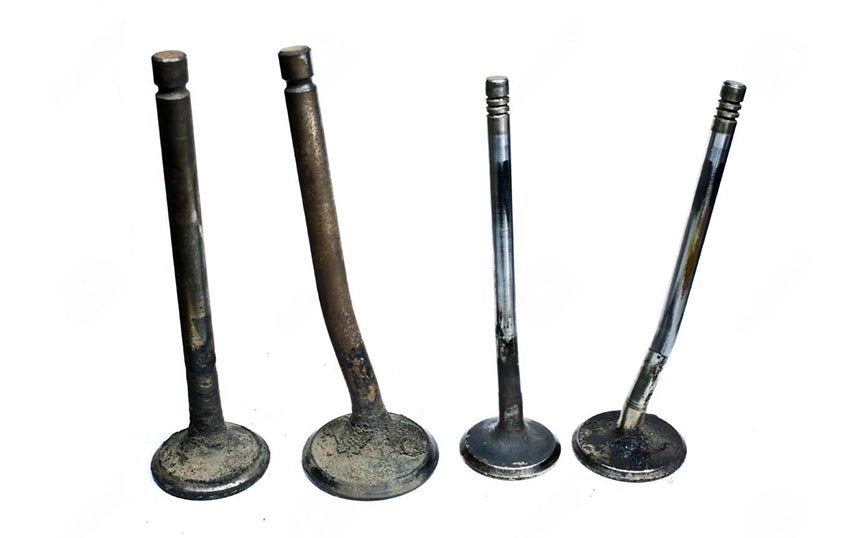
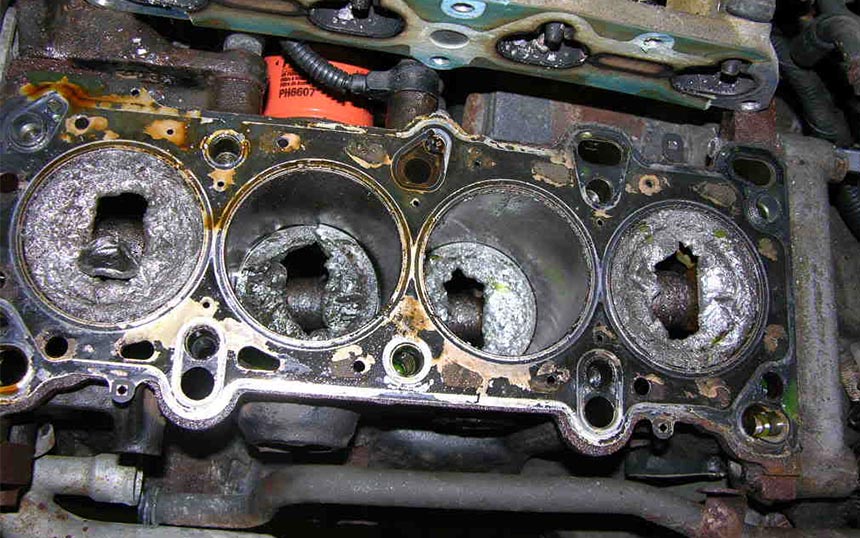
If either belt fails, it can cause serious engine damage, including bent valves, damaged pistons, or complete engine failure. Wet belt failure can also contaminate the oil system with debris, causing further internal damage.
Cam belts typically need replacing every 60,000–100,000 miles or every 5–10 years, depending on the manufacturer. Wet belts often have longer claimed intervals, but in practice fail on a regular basis, usually thousands of miles before the recommended manufacturers claims.
A cam (timing) belt is a rubber belt that runs outside the engine and synchronizes the crankshaft and camshaft. A wet belt does the same job but runs inside the engine, submerged in oil, which is intended to reduce friction and noise.