

Turbo Replacement
The clutch is a vital component of your vehicle, responsible for smoothly engaging and disengaging power between the engine and transmission. This process allows for seamless gear changes, controlled acceleration, and efficient driving performance.
Over time, the clutch’s friction material naturally wears down due to regular use. When this happens, drivers may notice common warning signs such as clutch slipping, difficulty changing gears, reduced acceleration, or a burning smell. If left unaddressed, a worn clutch can lead to complete clutch failure and potential damage to other drivetrain components.
At Herts Vehicle Solutions, we specialise in clutch replacement, failed clutch diagnostics, and professional clutch repairs for all makes and models. Our experienced technicians use high-quality replacement parts to restore optimal performance, reliability, and safety to your vehicle.
If you’re experiencing symptoms of a failing clutch, booking a clutch inspection or replacement with Herts Vehicle Solutions can help prevent costly repairs and get you back on the road with confidence.
The Sound of Performance.
Frequently asked questions.
A few questions we get asked regarding Turbo Replacements.
Driving with a faulty turbo is not recommended, as it can lead to reduced performance, increased emissions, and potential engine damage. Continuing to drive may cause debris or oil to enter the engine, leading to costly repairs. Early diagnosis and repair can help avoid more serious problems.
Turbo replacement time varies depending on the vehicle make and model, but most turbo replacements take between 4 and 8 hours. Additional time may be required if related components such as oil lines, intercooler hoses, or the exhaust system also need attention.
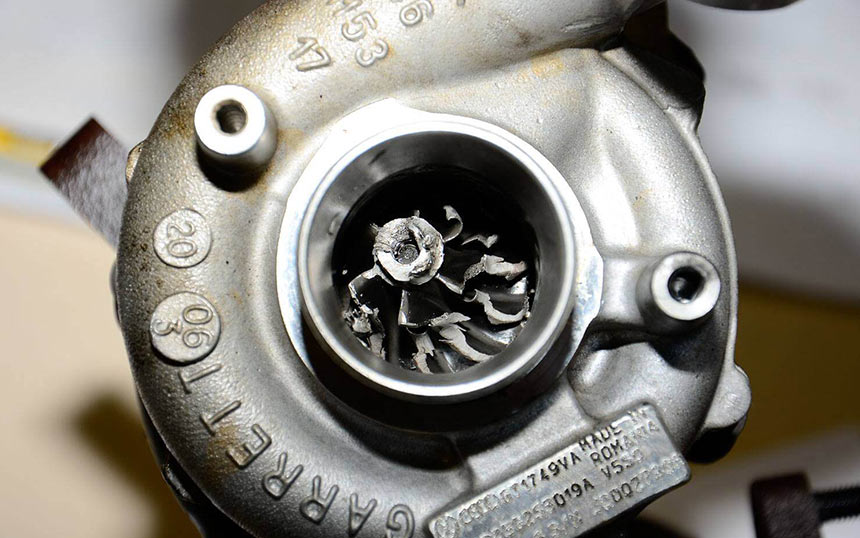
Turbo failure is often caused by oil starvation, contaminated oil, blocked oil feed pipes, excessive heat, or poor maintenance. Using the wrong engine oil or missing service intervals can significantly reduce the lifespan of a turbocharger.
In some cases, a turbocharger can be repaired if the damage is minor, such as worn seals or bearings. However, severe internal damage or broken turbine components usually require a full turbo replacement. A professional diagnostic check will determine the most cost-effective and reliable option.
Common symptoms of a failing turbo include loss of power, excessive smoke from the exhaust, a loud whining or siren noise, poor acceleration, and increased oil consumption. If you notice any of these issues, it’s important to have your vehicle inspected promptly to prevent further engine damage.